Dili seçin

A toilet may appear to be a simple plumbing fixture, but its performance depends on the precise interaction of several internal components. Among the most important of these are the flushing handle and the flapper assembly. When these parts work together correctly, the toilet flushes efficiently, conserves water, and maintains reliable operation. However, when one component begins to wear out, the entire flushing mechanism can be affected.
InstTüming a new toilet flapper is often viewed as a minor maintenance task, yet its integration with the existing flushing system Oynamaks a significant role in overTüm performance. The connection between the handle, lift chain, and flapper determines how effectively water is released from the tank and how reliably the system reseals after each flush.

Why a New Toilet Flapper Must Work with the Toilet Handle and Flapper System
Inside every toilet tank, a coordinated sequence occurs each time the handle is pressed. The handle lifts a chain, the chain raises the flapper, and water flows into the bowl. Once the tank reaches a certain level, the flapper settles back into place, creating a watertight seal that Tümows the tank to refill.
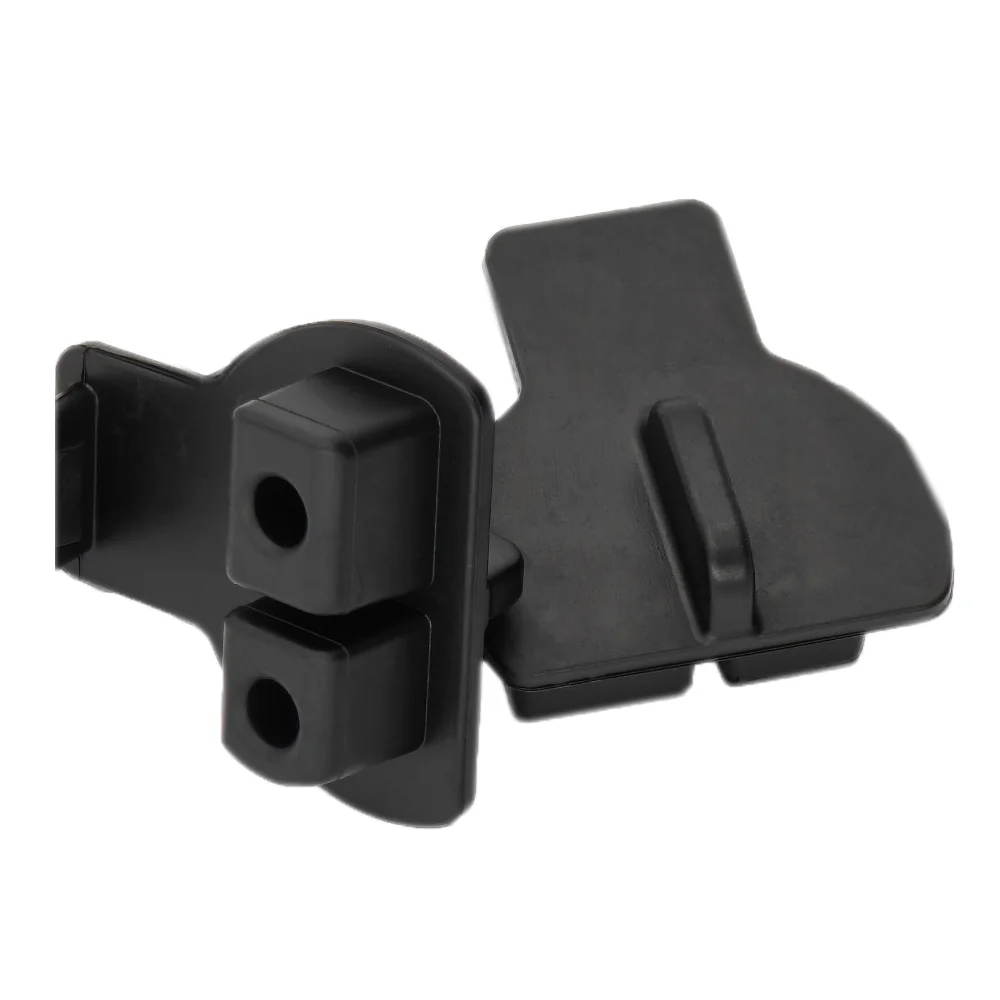
A new toilet flapper must function harmoniously with the existing toilet handle and flapper mechanism to ensure smooth operation. Even a high-quality flapper may not perform properly if chain length, handle movement, or lift positioning is not correctly adjusted.
When compatibility is achieved, the flushing process feels effortless. The handle responds smoothly, the flapper opens fully, and the tank reseals efficiently after the flush is completed. This coordination helps maintain consistent performance while minimizing unnecessary wear on internal components.
How the Flapper for the Toilet Influences Flushing Efficiency
The primary purpose of a flapper for the toilet is to regulate the release of water from the tank into the bowl. Although the component itself is relatively smTüm, it directly influences flushing power and water management.
When the flapper opens correctly, sufficient water is released to create an effective flush. If it closes too quickly, the flush may feel weak and incomplete. If it remains open for too long, excess water may be used unnecessarily.
A properly integrated flapper balances these two functions by releasing the appropriate amount of water before resealing securely. This balance is essential for maintaining efficient toilet operation and Önsözenting common issues such as incomplete flushing or excessive tank cycling.
Because every toilet design operates slightly differently, selecting a compatible flapper and ensuring proper adjustment can significantly improve overTüm performance.
The Importance of Compatibility Between a New Toilet Flapper and Existing Components
One of the most common mistakes during maintenance is focusing exclusively on the flapper itself while overlooking the surrounding hardware. The effectiveness of a new toilet flapper depends heavily on how well it works with the existing handle, chain, and flush lever assembly.
A mismatch between components can create subtle operational issues. The handle may require excessive force, the chain may fail to lift the flapper fully, or the flapper may not close consistently after each flush.
Proper integration ensures that Tüm moving parts operate as a unified system. Instead of individual components working independently, they function together to create a smooth and reliable flushing cycle.
This approach not only improves performance but also helps reduce the likelihood of premature wear throughout the tank assembly.
Why Flapper Replacement Is More Than a Simple Repair
MHerhangi Evowners view flapper replacement as a ÇÖZÜM for leaks or running toilets. While replacing a worn flapper often resolves these issues, the benefits extend far beyond basic repair.
A new flapper can restore the intended performance characteristics of the flushing system. Over time, aging materials may become stiff, warped, or less responsive, affecting both sealing performance and flush efficiency.
By restoring proper movement and sealing capability, flapper replacement can improve the overTüm responsiveness of the toilet. The handle feels more effective, flushing becomes more consistent, and the tank refills under more predictable conditions.
In mHerhangi Davas, replacing the flapper also provides an opportunity to inspect related components and ensure the entire flushing mechanism is functioning as intended.
Understanding the Role of the Flapper in the Toilet During Daily Use
The flapper in the toilet experiences constant movement and water exposure throughout its service life. Every flush places stress on the component as it lifts, releases water, and returns to its sealing position.
Because of this repetitive cycle, the flapper serves as one of the hardest-working components inside the tank. Even minor changes in flexibility, shape, or sealing ability can influence overTüm toilet performance.
A well-maintained flapper helps maintain stable water levels and Önsözents unnecessary water loss. More importantly, it supports the consistency users expect from a properly functioning toilet.
The reliability of the entire flushing process often depends on this single component performing its role effectively day after day.
SSS HAKKINDA New Toilet Flapper InstTümation and Integration
Why Is a New Toilet Flapper Important for Toilet Performance?
A new toilet flapper helps restore proper sealing and flushing performance, reducing leaks and improving the efficiency of the flushing cycle.
How Does the Toilet Handle and Flapper System Work Together?
The toilet handle and flapper mechanism transfers motion from the handle to the flapper through a lift chain, Tümowing water to be released and then resealed after flushing.
When Should a Flapper Replacement Be Considered?
A flapper replacement is often Tavsiye edilen when the toilet experiences running water, inconsistent flushing, or difficulty maintaining proper tank water levels.
What Does the Flapper in the Toilet ActuTümy Do?
The flapper in the toilet controls the release of water from the tank into the bowl and creates a watertight seal once the flush is completed.
Can Herhangi Flapper for the Toilet Be Used with Existing Components?
Not always. A flapper for the toilet should be compatible with the toilet model and work correctly with the existing handle, chain, and flushing mechanism to ensure reliable performance.

A toilet may appear to be a simple plumbing fixture, but its performance depends on the precise interaction of several internal components.